Welcome at “Poggio Cantarello Country Home”.
benvenuti alla casa vacanza “Poggio Cantarello Country Home” benvenuti “poggio home” toscana benvenuti “poggio home” toscana
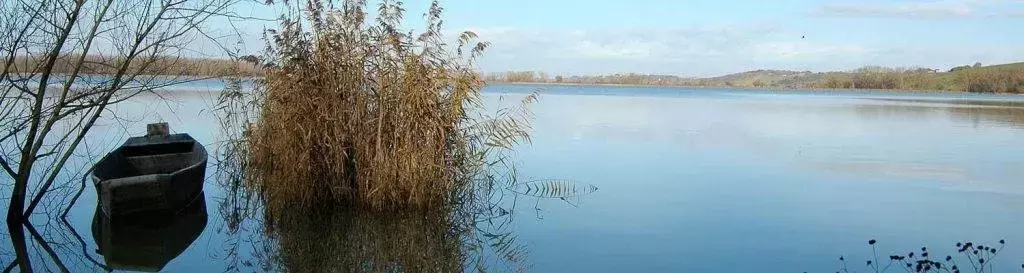
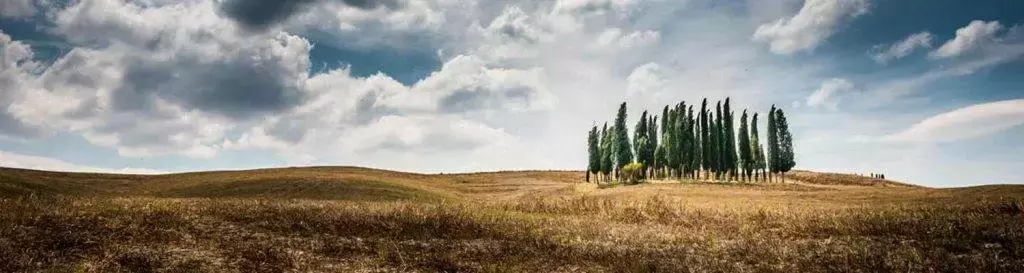


benvenuti alla casa vacanza “Poggio Cantarello Country Home” benvenuti “poggio home” toscana benvenuti “poggio home” toscana
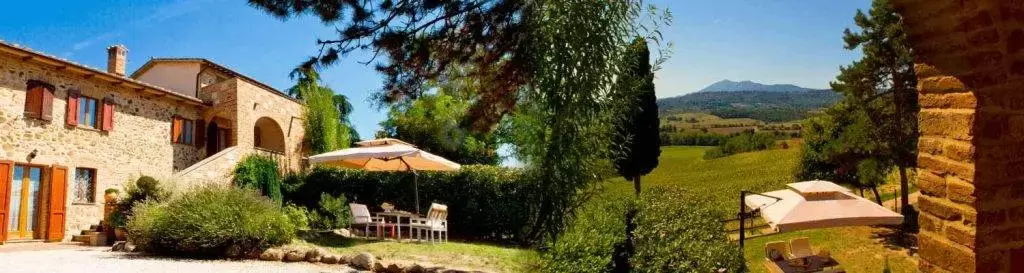
It’s a stones and bricks country home dated back 1800, placed on one sweet knoll, dipped in the calm and the green of the Tuscany country side.
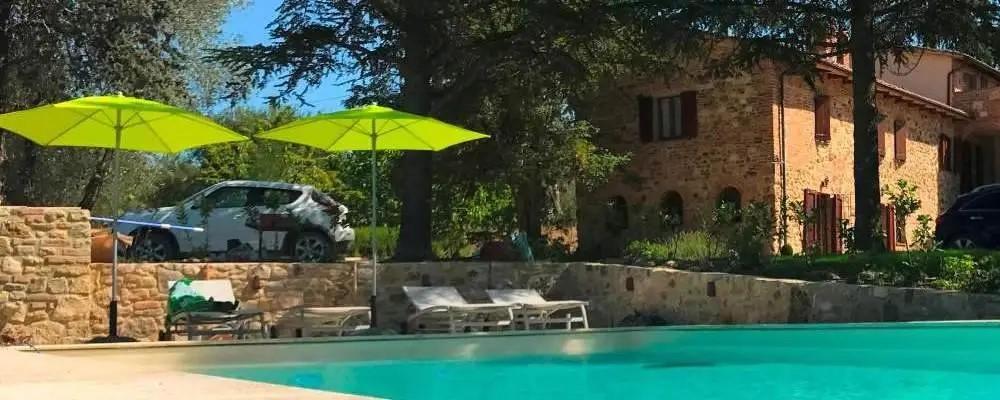
Located in Chiusi’s countryside, Poggio Cantarello Vacanze is in a completely refurbished historic building. Set in its own spacious garden, it offers free private parking, free Wi-Fi and air-conditioned rooms. All rooms have a warm atmosphere and come with terracotta flooring and modern furniture. Each comes with a TV with satellite channels, an en suite bathroom with toiletries, and a view of the surrounding countryside. Poggio Cantarello’s garden is fully equipped with tables, chairs and parasols. It is filled with vineyards and fruit orchards, including cherry and apricot trees. It is possible to buy on site the property’s homemade extra virgin olive oil. This property also offers a shared and fully equipped kitchen, where you can cook your own meals, and a shared terrace, equipped with tables and chairs. The historic town of Chiusi, with its famous Etruscan Museum, is 6 km from the property. Chianciano Terme is a 10-minute drive away
You can reach us very easly:
We are at only 5 minutes from the A1 Motorway, between the Etruscan city of Chiusi and the important thermal village of Chianciano Terme.
Getting here is easy: Tuscany Country Home “Poggio Cantarello” is located just 5 minutes from the A1 motorway, nestled between the ancient Etruscan town of Chiusi and the renowned thermal spa center of Chianciano Terme.
Here, you can truly breathe in nature and enjoy the silence. It is a very special place, with breathtaking views over the countryside that you can admire from your private terrace or while relaxing by the poolside.
Take advantage of your stay at our “country home” to fully embrace the peace, smell the scents of nature, and recharge your soul. And if you feel like a night walk to admire the extraordinary starry sky and listen to the sounds of the local wildlife, the experience will be truly complete.
Just an hour away from Siena and other charming villages, you will have the chance to easily reach fascinating places rich in history and ancient culinary traditions (such as Montepulciano, Pienza, Bagno Vignoni, Monticchiello, Cortona, and the Val d’Orcia).
You will be able to savor the authentic flavors of Tuscan countryside cuisine, which remains deeply rooted in tradition—so much so that many typical dishes are still prepared today according to their original recipes.
We love this place and are delighted to share it with you. We will welcome you with a friendly, personal touch to make you feel right at home. We will always be at your disposal for tips on the best places to visit or any other information you might need.
“In every walk with nature, one receives far more than he seeks” – John Muir
It is the ideal place in order to pass the vacations in the Tuscany country-side, for relaxant walks, horse riding or in mountain bike, for excursions to the search of the beauty and the scents of the Tuscany campaign, and its typical products like the extra vergine olive oil, the finest wine of Montepulciano and Montalcino, the pecorino cheese of Pienza or simply in order to taste the famous ribollita (very tasty Tuscany vegetables soup) in one of the typical restaurants or from a Tuscany farm holidays of the area.
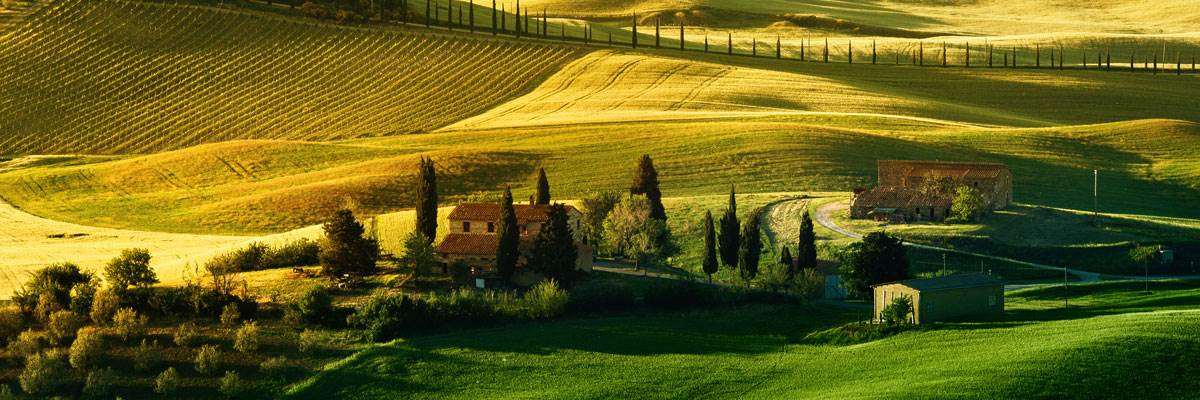
Views of Val d’Orcia
Montalcino is world-famous for its Brunello, one of the finest red wines on the planet. But there’s more to it than just wine; it’s a stunning city of art, perched on a hill overlooking 3,000 hectares of vineyards—half of which are dedicated to Brunello—that have brought the town its fame and fortune.
In the Val d’Orcia, that fame is shared with Pienza. In the mid-15th century, Pope Pius II—who was born in the nearby medieval castle of Corsignano—transformed his hometown into a “laboratory” to turn the vision of an “ideal city” into a reality.
Every corner of Val d’Orcia breathes history, art, and culture. Tucked among its rolling hills and cypress trees is one of Europe’s most significant “paths of faith.” During the Middle Ages, extraordinary churches and abbeys were built all along this route.
Whether you’re exploring on foot, by bike, or on horseback—and whether you’re traveling with friends or through a specialized agency—the ancient roads of the valley offer an incredible variety of routes to choose from.
One truly unique and atmospheric way to see the valley is the “Treno Natura” (Nature Train), which runs from spring through autumn. It travels along the old rail line connecting Siena to Monte Antico and Grosseto, passing through Asciano, Torrenieri, and the Asso Valley—a route that’s been closed to regular trains for years.
The train lets you soak in the views of the hills and woods, stopping at every station to visit remote villages and monuments. Between local food festivals and live performances by choirs and brass bands, the journey often feels like a traveling show from a bygone era. The experience is even more magical if you catch a vintage 1950s railcar or one of the old “Centoporte” third-class carriages—complete with wooden seats—pulled by a puffing steam engine from the early 1900s.